
Easy Ways to Grow a Pollinator Garden at Home
Creating a pollinator garden is a simple task that can make a big difference. These gardens support bees, butterflies, hummingbirds, and other important insects. As their populations decline, your garden can help these vital creatures thrive. Plus, a home pollinator garden boosts local biodiversity, improves garden yields, and helps protect the environment. Just a small effort from you can create a lush, buzzing oasis that benefits everyone.
Creating the Foundation for Your Pollinator Garden
Selecting the Right Location
Pick a spot that gets plenty of sunlight — most pollinators love bright, open spaces. Check the soil quality, aiming for well-drained earth that’s rich in organic matter. Near a water source, like a pond or birdbath, can also attract more pollinators. Avoid shaded areas or places with heavy foot traffic that might scare away shy visitors. An accessible yet quiet corner of your yard is ideal to keep pollinators safe and active.
Understanding Your Climate and Native Species
Your region’s climate plays a big role in which plants will thrive. Native plants are best because pollinators in your area are already used to them. Research your USDA hardiness zone to find plants suited to your climate. Once you know your area’s conditions, choose species that flourish naturally and require less care, saving you time and effort.
Choosing the Best Plants to Attract Pollinators
Native Flowers and Bloom Times
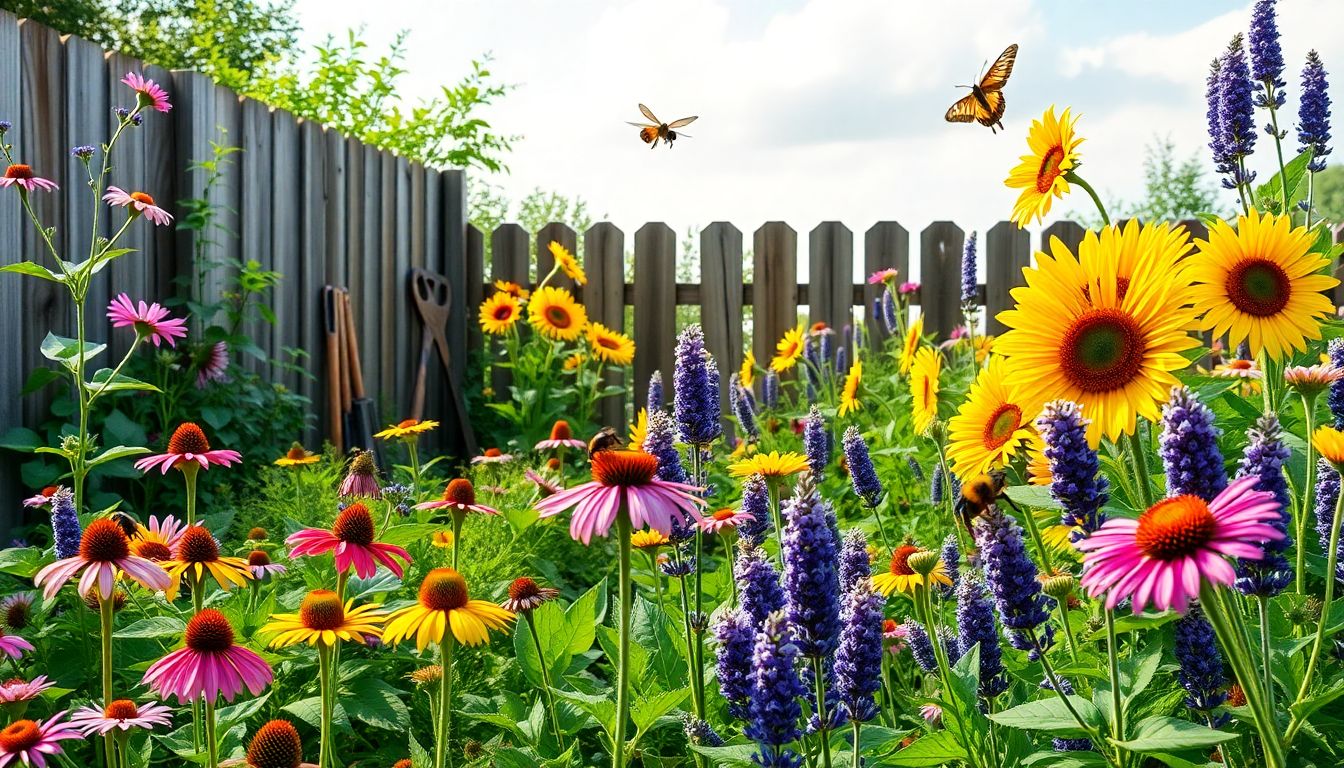
Select native plants that bloom from early spring to late fall. Examples include purple coneflowers, bee balm, and milkweed. These flowers provide essential nectar and pollen for bees and butterflies during different seasons. Plant in groups to create larger patches that attract more pollinators at once. This approach ensures a continuous food supply and keeps your garden lively year-round.
Flower Colors and Shapes that Draw Pollinators
Pollinators are drawn to certain colors like yellow, blue, and purple. Flowers with flat tops or deep tubular shapes attract different types of pollinators — bees prefer flat, open blooms while hummingbirds love tubular flowers. Mix various types to appeal to multiple visitors. A diverse plant palette maximizes your chances of seeing hummingbirds, butterflies, and bees all season long.
Designing Your Garden for Maximum Pollinator Attraction
Plant Arrangement and Density
Group similar plants together in clusters. This not only looks appealing but also signals to pollinators that they’ll find food there. Dense plantings in patches make pollinators move more efficiently, boosting their chances of finding nectar. Use different heights and textures to add visual interest and provide shelter.
Creating Shelter and Habitat Features
Pollinators need safe places to nest and rest. Add bee hotels made from bamboo or wood blocks with holes. Leave patches of bare soil for ground-nesting bees. Pile leaves or twigs in corners to provide shelter for butterflies and other insects. Mulch and undisturbed spots create refuge from harsh weather and predators, encouraging pollinators to stay longer.
Providing Consistent Food and Water Sources
Planting for Continuous Nectar and Pollen Supply
To keep pollinators happy, stagger your planting times. Start with early bloomers like crocuses, then add mid-season plants like sunflowers and asters, ending with late-season options like goldenrod. Include a variety of flower types to meet different needs. This way, your garden becomes a reliable feeding station all season.
Adding Water Sources Responsibly
Pollinators also need water. Use shallow dishes filled with clean water and pebbles for bees to land safely. Change the water often to prevent bacteria growth. Keep water sources pesticide-free and in shaded areas to encourage visits. A small, well-maintained water feature can make your garden a true oasis.
Maintaining and Enhancing Your Pollinator Garden
Avoiding Harmful Chemicals
Pesticides and herbicides are dangerous for pollinators. They can poison insects and reduce their populations. Switch to organic methods, like composting and natural pest control. Protect your garden’s pollinators by refusing harmful chemicals and using only approved alternatives.
Regular Upkeep and Monitoring
Keep your garden healthy with seasonal tasks. Deadhead spent flowers to encourage new blooms. Prune plants as needed and weed regularly. Check for signs of disease or pests. Use citizen science apps or local groups to track pollinator visits. Noticing changes helps you make smarter decisions and boost your garden’s health.
Conclusion
Growing a pollinator garden doesn’t mean you need a backyard full of rare plants. Focus on native species, good placement, and providing food, shelter, and water. These simple steps turn your outdoor space into a haven for busy pollinators. Every flower planted helps support declining insect numbers and benefits your local environment. Start small — the bees, butterflies, and hummingbirds will thank you. With consistent effort, your garden will flourish with life and color.
