
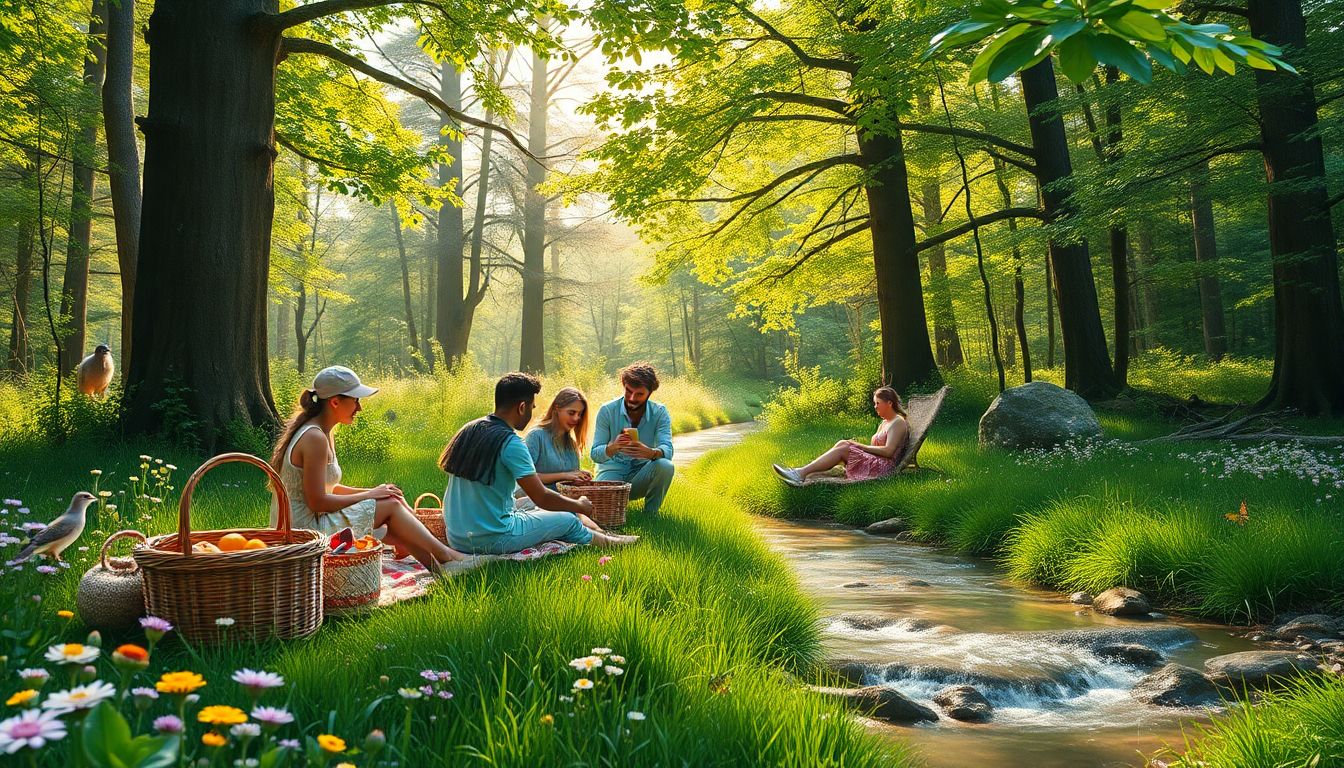
How to Plan a Nature Picnic That Helps Protect the Environment
Introduction
Outdoor recreation is more popular than ever. People go hiking, camping, and picnicking to enjoy fresh air and beautiful scenery. Spending time in nature is good for mental health and keeps us active. But as millions of us head outside, we also need to think about protecting the environment. Planning eco-friendly picnics helps cut down waste, preserve wildlife, and keep parks beautiful for everyone. When we picnic responsibly, we can enjoy nature while doing our part to conserve it.
Choosing an Eco-Friendly Picnic Location
Selecting Protected and Responsible Sites
Pick parks, reserves, or public lands that focus on conservation. Look for places that protect wildlife and natural features. Check if the area has rules for visitors—these help prevent damage to the land. Organizations often give guidelines for eco-friendly visits, so read these first. Opt for sites that promote sustainability and have ongoing efforts to keep nature safe. This way, your picnic supports responsible land use and preservation.
Avoiding Sensitive Habitats
Stay clear of delicate spots like bird nesting areas, wetlands, or places marked as endangered species habitats. These areas are fragile and easily disturbed. Respect signs that warn visitors not to enter certain zones. Avoid trampling plants or disturbing animals, especially during breeding seasons. Steering clear of these sensitive zones ensures we don’t harm ecosystems while enjoying outdoor time.
Planning Sustainable Picnic Foods and Supplies
Packing Eco-Conscious Food and Beverages
Choose foods that are local, organic, and minimally packaged. Fruits, sandwiches, and snacks in reusable containers work great. Adding plant-based options like veggie wraps or hummus reduces your carbon footprint. Avoid single-use plastics—bring reusable bottles and containers instead. Think about how your choices impact the environment and prefer eco-friendly items whenever possible.
Using Reusable and Biodegradable Items
Bring reusable plates, cups, utensils, and cloth napkins. These cut waste and are better for the planet. For snacks and drinks, use biodegradable or compostable packaging—like paper bags or plant-based wrapping. Avoid plastic wrap or single-use straws. Investing in durable, eco-friendly gear makes your picnic greener and more fun to reuse next time.
Minimizing Food Waste
Plan your menu carefully to avoid leftovers. Pack only what you'll eat and store extras in reusable containers. If you have food scraps, compost them if possible. Otherwise, dispose of waste properly in recycling, compost, or trash bins. Reducing waste means fewer items end up in landfills or as litter in nature.
Eco-Friendly Picnic Essentials and Setup
Sustainable Picnic Gear
Select lightweight, durable gear made from eco-friendly materials. Look for picnic baskets and blankets that last for years. Choose chairs and tables that are easy to transport and made from sustainable resources. Quality gear means fewer replacements, which reduces waste over time.
Low-Impact Transportation
Whenever possible, walk, bike, or carpool to your picnic spot. This cuts down on emissions and keeps your outing eco-friendly. Electric or hybrid vehicles are a great option for longer trips. Every little bit helps reduce pollution and protects the air we breathe.
Responsible Waste Management
Set up separate stations for recycling, compost, and trash. Bring trash bags and be sure to collect all your waste. Leave the site just as beautiful as you found it—pack out all your garbage. Proper waste management prevents littering and keeps parks clean for future visitors.
Respecting Nature and Wildlife During Your Picnic
Leave No Trace Principles
Follow the "Leave No Trace" rule: pack it in, pack it out. Take everything home that you brought. Keep the area tidy and avoid leaving behind trash or natural objects. Respect plants and animals; don’t pick flowers or disturb nests.
Maintaining a Safe Distance from Animals
Observe wildlife from afar, using binoculars if needed. Never approach or feed animals. Recognize signs that wildlife is stressed or dangerous and give them space. Respecting animals helps keep them wild and healthy.
Protecting Flora and Fauna
Stay on designated trails to avoid trampling plants. Don’t pick flowers or remove rocks, logs, or natural decorations. These elements are vital for local ecosystems. Leaving everything as you found it helps maintain nature’s balance.
Engaging in Environmental Conservation Activities
Participating in Local Cleanup Events
Join community cleanups at parks or beaches. These events help remove litter and protect local ecosystems. Contact local groups or look online to find opportunities near you. Working together makes a bigger difference for conservation efforts.
Supporting Local Ecosystem Initiatives
Volunteer or donate to organizations that protect natural areas. Spread awareness about local environmental issues. Supporting these causes helps ensure future generations can enjoy healthy, vibrant outdoor spaces.
Conclusion
Planning an eco-friendly picnic isn’t just good for the planet; it makes your day in nature more meaningful. By choosing responsible sites, packing sustainably, and respecting wildlife, you can help protect the environment. Small actions, like reducing waste and supporting conservation efforts, add up. So, next time you picnic outdoors, do it with care. Enjoy the beauty around you, and leave it just as perfect for others to enjoy tomorrow. Let’s make outdoor fun friendly to nature, one picnic at a time.
